Ferrari’s Luce Moment — And Why the Pre-Luce Cars Suddenly Matter More Than Ever
Ferrari has crossed a line.
Not quietly. Not cautiously. Properly.
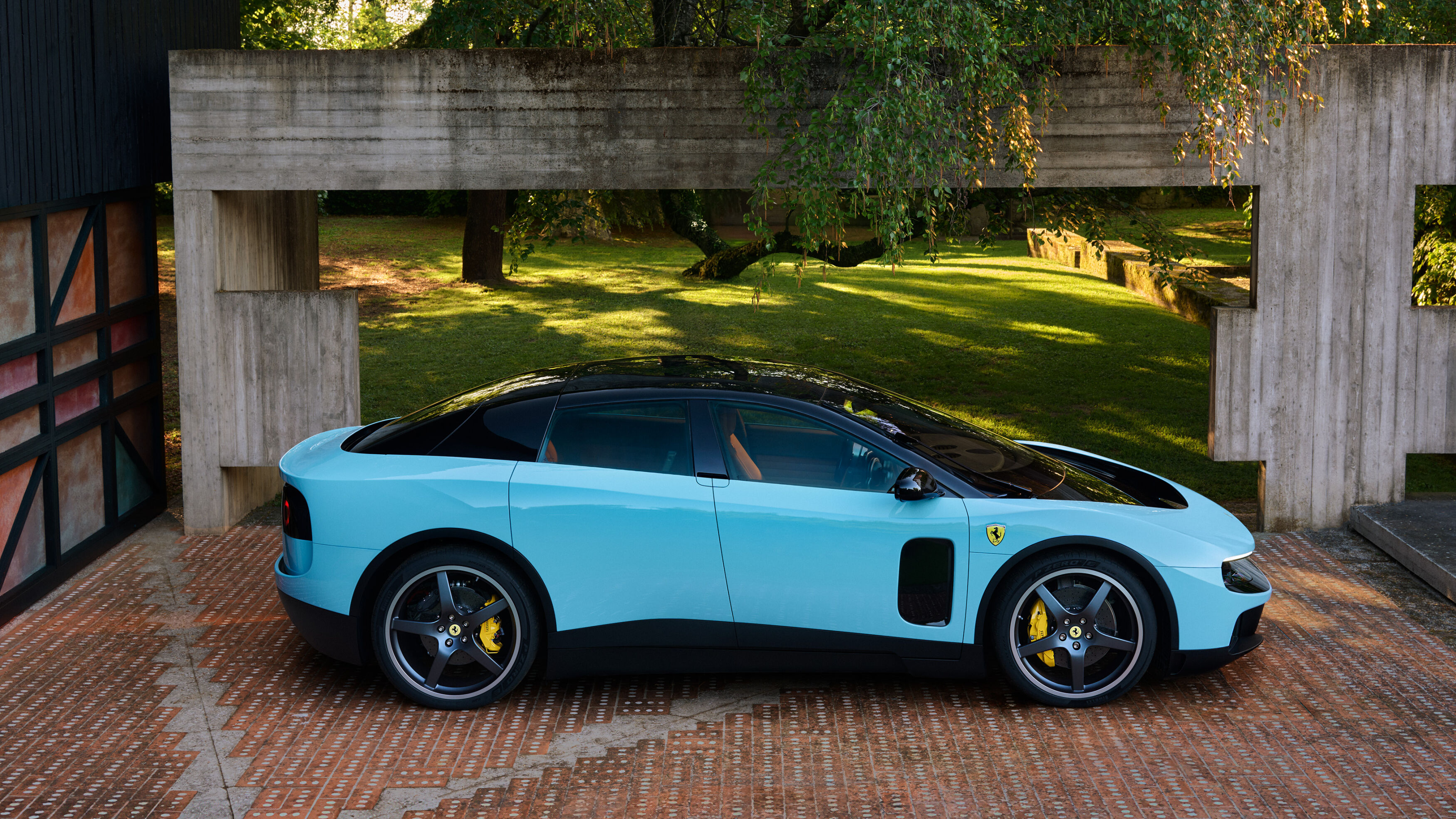
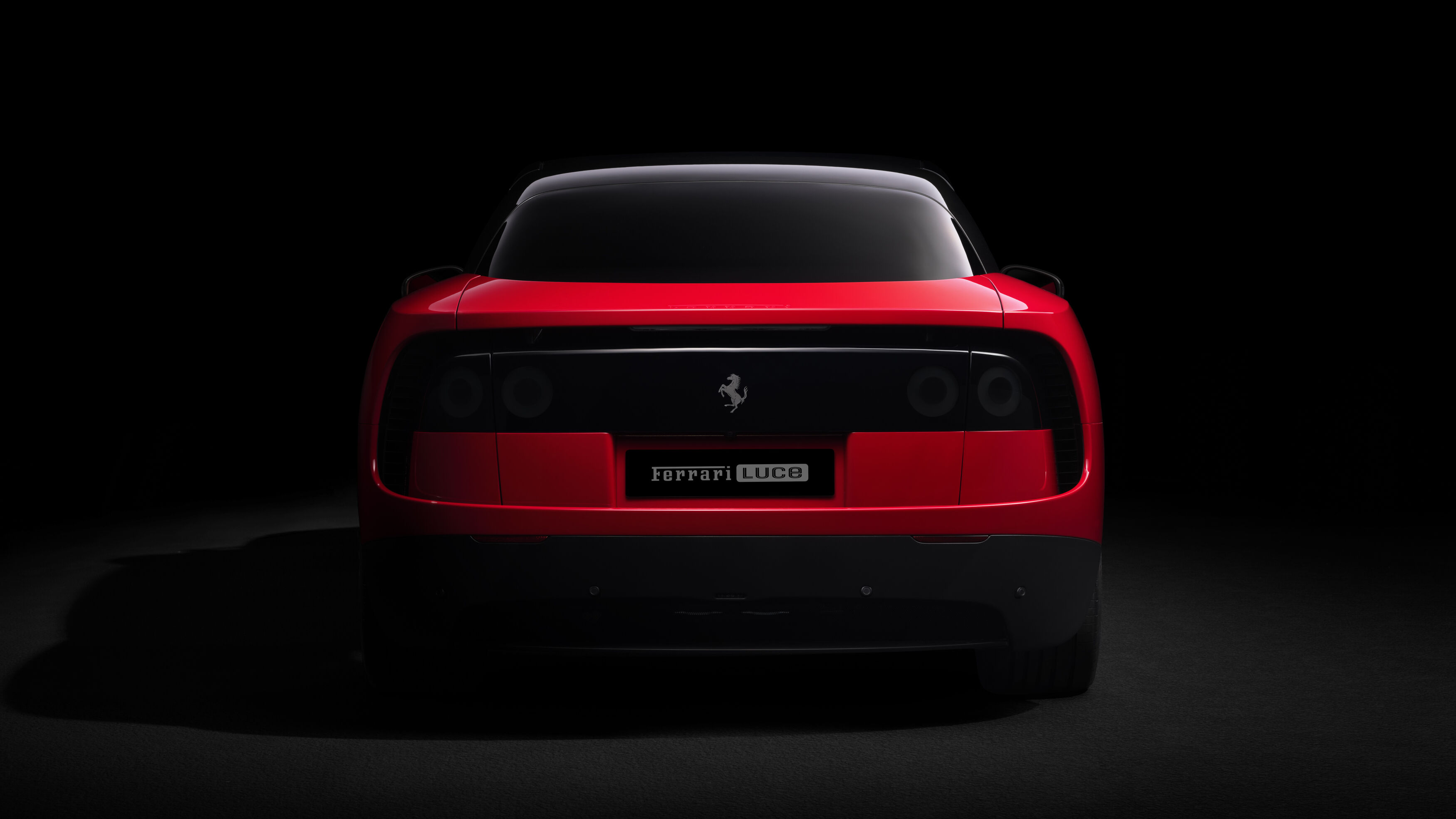
The unveiling of the new Ferrari Luce has not been just another model launch. It is one of the most significant moments in Ferrari’s modern history because, for the first time, the company is openly redefining what a Ferrari can be.
Electric. Four doors. Five seats.
That final detail matters more than people perhaps realise.
A five-seat Ferrari would once have sounded almost absurd — the kind of idea that enthusiasts would dismiss instantly. Yet here it is: a fully electric Ferrari designed not around the traditional theatre of combustion, but around a very different idea of performance, usability and luxury.
And whether enthusiasts embrace it or resist it, the Luce changes the context around every Ferrari that came before it.
That is why this moment matters.
Because the further Ferrari looks into the future, the more valuable — culturally as much as financially — its analogue past becomes.
The Ferrari Many Feared Was Coming
The reaction to the Luce has been fascinating because it exposes a tension Ferrari owners and enthusiasts have quietly wrestled with for years.
Many feared this day would arrive.
But understanding it intellectually and actually seeing a five-seat electric Ferrari wearing the Prancing Horse are two very different things.
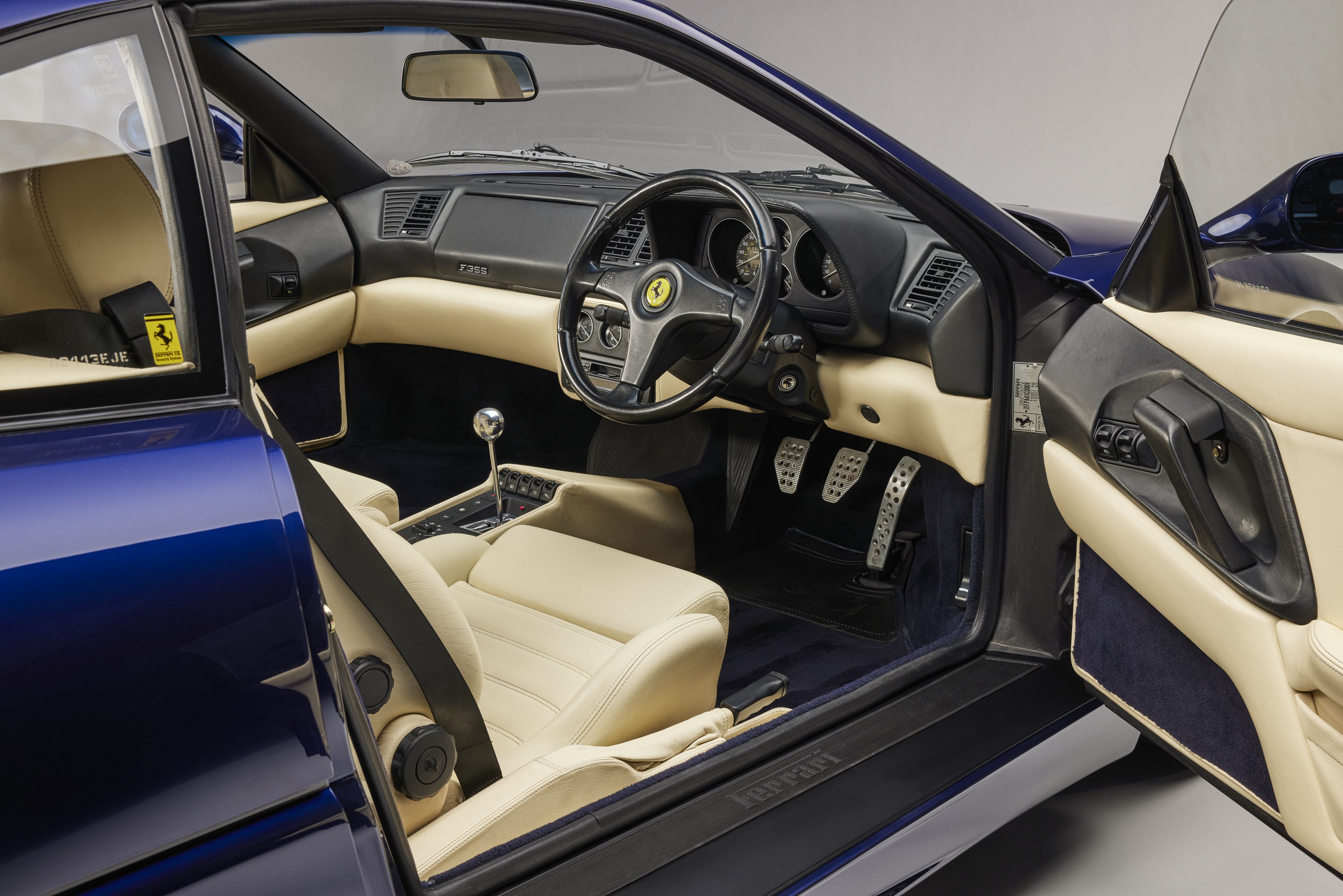
Ferrari built its identity around mechanical emotion. Colombo V12s. Flat-plane V8s. Gated manual gearshifts. The violence of an F40 turbocharger arriving fully on boost. The delicacy of a Daytona steering wheel moving in your hands at speed.
Ferraris were never just fast.
They felt alive. They had soul.
The Luce represents Ferrari entering a world where performance becomes quieter, cleaner and increasingly software-led. Objectively, it may well be an extraordinary car. Ferrari does not build mediocre machinery.
But emotionally, it changes the frame of reference.
We all have our opinions, but it’s not really about whether the Luce is good or bad,” says Tom Chilton, Commercial Director at Birch. It’s that people suddenly realise what the older Ferraris actually represented — and that Ferrari itself is moving beyond that era.
That realisation is hugely significant.
.jpg)
The Classic Ferraris Have Changed Overnight
The arrival of the Luce instantly sharpens the identity of every pre-electric Ferrari.
A Ferrari F40 is no longer simply an iconic supercar. It becomes a symbol of a Ferrari philosophy that has effectively reached its endpoint. No hybridisation. No software interpretation. No digital filtering.
Just engine, boost, chassis and nerve.
The same applies throughout Ferrari’s history.
The Ferrari Daytona now feels even more important as a monument to the front-engined V12 grand touring Ferrari. The Ferrari 550 Maranello increasingly looks like one of the last truly analogue modern Ferraris.
Even cars once viewed as relatively recent — manual Ferrari 360 Modenas or early naturally aspirated V8s — now sit within a disappearing generation of Ferraris built before digital systems became dominant.
And then there are the untouchables.
The Ferrari 250 GTO. The Ferrari 275 GTB. The Ferrari 288 GTO.
Cars that already carried immense value, but now carry something even more powerful: historical finality.
Because Ferrari itself is evolving away from the conditions that created them.
Why Preservation Matters More Now
The irony is that rising values can sometimes damage these cars.
Owners become cautious. Usage drops. Cars become investments rather than machines. They sit for longer periods, preserved cosmetically but slowly drifting mechanically.
And Ferraris drift more easily than many people realise.
Older V12s respond badly to inconsistent environments. Fuel systems degrade. Seals dry. Electrical stability weakens quietly over time. Even comparatively modern Ferraris suffer when left unmanaged for extended periods.
The danger is rarely dramatic failure.
It is gradual loss of originality.
You can preserve the appearance of a Ferrari while slowly losing the thing that actually makes it special,” says Lee Sullivan, General Manager at Birch. The feel changes first. The response. The sharpness. Once that starts to drift away, it’s very difficult to recreate completely.
That is why preservation now matters so much.
Because the analogue Ferrari era has effectively become finite.
The Birch Standard — Preserving More Than Value
At Birch, that distinction is understood clearly.
Preserving a Ferrari is not simply about keeping it safe or maintaining its market value. It is about maintaining the exact characteristics that define the car — mechanically, electrically and emotionally.
That requires consistency.
Stable environmental conditions. Controlled handling. Proper battery and fluid management. Continuous oversight rather than passive storage.
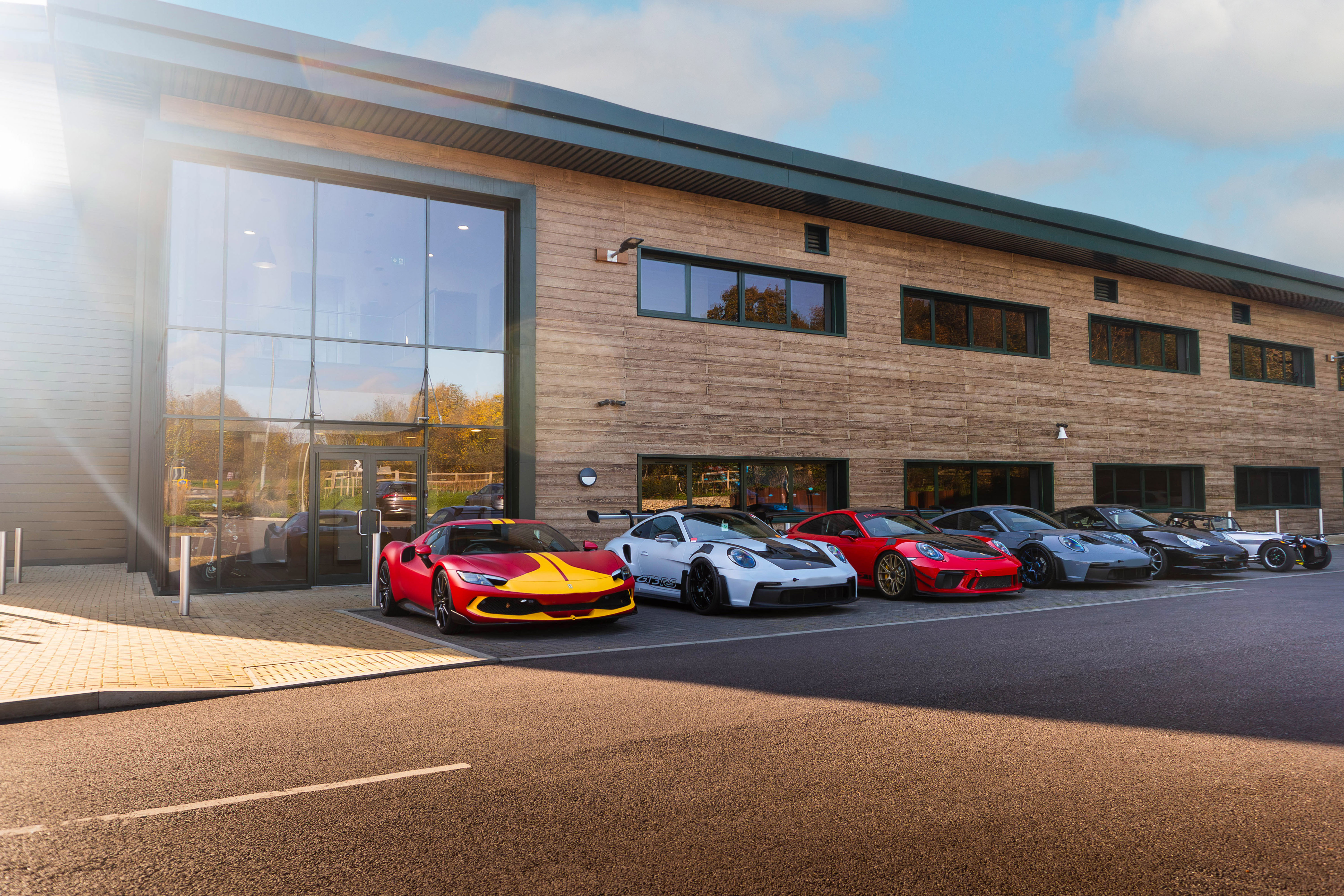
Whether at Birch’s Gatwick facility or the new Brooklands site — itself located beside the original home of British motorsport — the objective remains the same: preserving the integrity of cars that are becoming increasingly irreplaceable.
Because ultimately, what the Luce really changes is perspective.
It reminds us that the great analogue Ferraris were not inevitable.
They belonged to a specific period in automotive history.
And once an era ends, protecting what remains of it becomes far more important.


.jpg)
.jpg)
.jpg)